


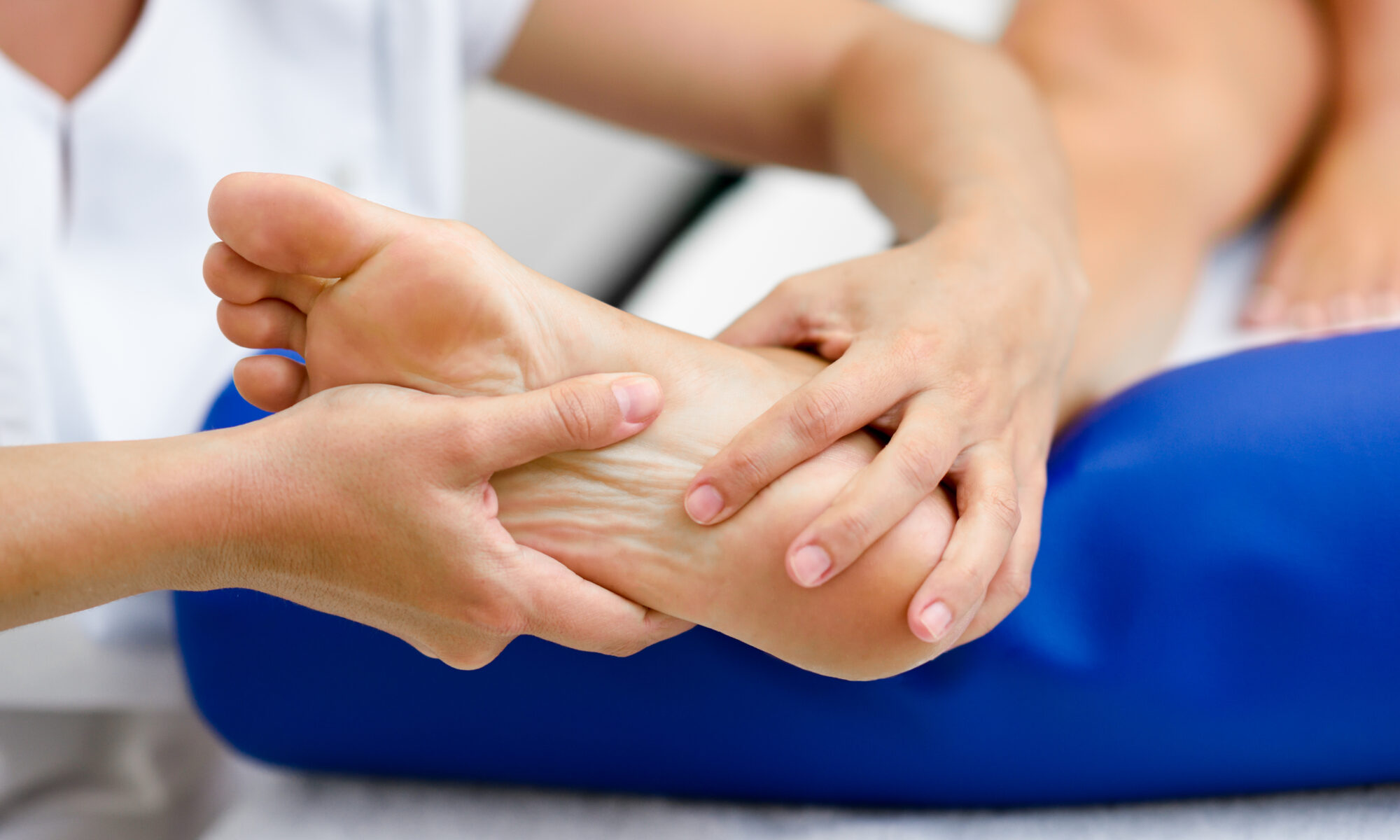
Heel pain is common and can affect people across different age groups and lifestyles. One of the most common causes is Plantar Fasciitis, a condition that causes pain and inflammation in the plantar fascia, the thick band of tissue connecting the heel bone to the toes. According to the Cleveland Clinic, approximately 1 in 10 people experience this condition at some point in their lives.
Ayurveda approaches heel pain with a holistic approach that considers the underlying factors contributing to discomfort, rather than focusing solely on temporary symptom relief. Through therapies, lifestyle practices, and individualised care, Ayurvedic treatment aims to support pain management and improve foot function.
In this blog, we explore Plantar Fasciitis, its causes and symptoms, and the Ayurvedic approaches and foot care practices that may help manage heel pain.
What Is Plantar Fasciitis? Causes and Symptoms
The term Plantar Fasciitis has its roots in Latin and Greek. ‘Plantar’ (Latin) refers to the sole, ‘fascia’ (Latin) refers to a band or bundle of connective tissue, and ‘-itis’ (Greek) denotes inflammation. The plantar fascia supports the arch of the foot and absorbs the impact of everyday activities such as walking, standing, and running.
Plantar Fasciitis commonly develops due to strain, excessive pressure on the feet, or small injuries. It often causes a sharp or aching pain around the heel, particularly during the first few steps in the morning or after periods of rest. While appropriate care and lifestyle modifications can help ease the pain, persistent heel pain may require medical attention.
In Ayurveda, a condition associated with pain in the heel region is described as Vatakantaka. It is understood to be an imbalance in Vata dosha, which may be accompanied by Kapha-related symptoms such as swelling and heaviness. This imbalance contributes to pain and discomfort, affecting mobility.
Common Symptoms
- Heel Pain
- Stiffness and Swelling
- Stiff Achilles tendon
Ayurvedic Approach to Plantar Fasciitis Management
Ayurvedic treatments, more often than not, are centred on identifying and addressing dosha imbalances. The Ayurvedic approach to managing Plantar Fasciitis follows a similar route.
One of the key advantages of Ayurvedic therapies is their versatility. Several treatments used for pain management can also help address different forms of muscle and joint discomfort. For instance, Abhyangam, a traditional therapeutic oil massage, is commonly used to relieve muscular tension, improve circulation, and ease joint stiffness. It is also commonly used to treat heel pain or plantar fasciitis.
For persistent heel pain that does not improve with home remedies, Ayurveda also recommends a procedure known as Agni Karma. Traditionally, an imbalance in Vata is associated with symptoms such as pain, coldness, and stiffness, while Kapha imbalance is linked to swelling.
Agni Karma involves the controlled application of heat to specific points around the affected area using specialised instruments like the shalaka. This therapeutic heat is believed to counter Vata-related symptoms and help alleviate localised pain.
Other Ayurvedic procedures that can help with managing heel pain include Raktamokshana, a traditional bloodletting therapy, and Panchakarma, a group of specialised cleansing and therapeutic procedures.
Exercises and Lifestyle Changes for Plantar Fasciitis
Ayurvedic treatments can help manage heel pain, but long-term relief also depends on consistent aftercare. Making appropriate lifestyle adjustments, following a regular exercise routine, etc can support recovery.
The key is to approach recovery with patience and consistency. Here are a few exercises and lifestyle changes that can help manage Plantar Fasciitis:
1.Practise Calf and Heel Stretches
Gentle stretching exercises can help relieve tension in the calf muscles and plantar fascia. Calf stretches against a wall, seated towel stretches, and gentle plantar fascia stretches can improve flexibility and reduce tightness.
2.Footwear with Proper Arch Support
The right footwear plays an important role in managing Plantar Fasciitis. Shoes with adequate arch support, cushioning, and a comfortable fit help distribute pressure more evenly across the foot and reduce excessive strain. Also, avoid walking barefoot on hard surfaces for prolonged periods.
3.Include Low-Impact Exercises
Staying physically active is important, but high-impact activities can place additional stress on an already sensitive plantar fascia. Consider low-impact exercises such as swimming, cycling, or gentle water-based workouts to maintain mobility.
4.Pay Attention to Your Diet and Daily Habits
A balanced diet that includes adequate protein, fruits, vegetables, and essential nutrients supports overall health and repair. Maintaining a healthy body weight can also help reduce the repetitive mechanical load placed on your feet.
Conclusion
So, if you’re struggling with Plantar Fasciitis or heel pain or Vatakantaka, you have come to the right place. Your first piece and main piece of information is, do not be scared or worried. This can be cured with the right treatment and practices.
At Ayushman Ayurveda, through the use of traditional practices, ancient herbs, and various pain management therapies, helps you get on the right track for healing. With careful aftercare and medicines recommendation, we ensure that every step of your healing journey is carefully thought and planned out.
Remember, recovery from Plantar Fasciitis takes time. Combining appropriate treatment with regular exercises, supportive footwear, and mindful lifestyle changes can help manage symptoms and support a gradual return to everyday activities.


