


A common feature of these busy and fast-paced times is rising health concerns. Joint and muscle pain is now increasingly being experienced by more and more people, with no discrimination based on age or lifestyle. According to a study conducted by the Global Burden of Disease in 2019, approximately 1.7 billion, around 22% of the world population in 2019, live with a musculoskeletal disease/ache/condition. These can include anything from neck and lower back pain to sports injuries to arthritis.
There are a plethora of factors that can contribute to these pains. Some of them include ageing, a stressful lifestyle, physical overexertion, and weight management issues. The reasons can vary widely from individual to individual.
And that’s where an Ayurvedic approach stands apart. The treatments are designed in a highly customised and targeted manner. Also, an approach from Ayurveda is rooted in attacking the problem from its roots and not just finding a temporary solution.
In this blog, we explore Ayurvedic treatment for joint and muscle pain along with causes, therapies, tips, and lifestyle changes.
In Ayurveda, one of the primary causes of joint and muscle pain is an imbalance in the doshas. Vata dosha, often referred to as the ‘king of doshas’, governs movement and communication within the body. Since it plays a key role in movement, an imbalance in Vata can affect the joints, muscles, and surrounding tissues. It may contribute to dryness, tissue degeneration, stiffness, and increased pain, particularly with movement.
Another important Ayurvedic concept is Ama, which refers to the accumulation of metabolic waste associated with digestion and metabolism. Ama can accumulate in different parts of the body, including the tissues and joints, and is said to contribute to symptoms such as swelling, stiffness, and aches. The Ayurvedic treatments used to manage joint and muscle pain are discussed in the sections below.
Beyond these Ayurvedic factors, joint and muscle pain can also have several common causes. Age-related changes, overuse or excessive strain on the muscles, poor posture, previous injuries, genetic predisposition, sports injuries, and a sedentary lifestyle can all contribute to or worsen pain. Identifying the underlying cause is important for determining an appropriate approach to management.
If you’ve been experiencing joint and muscle aches and pains, Ayurveda is the right approach for you. As seen in the previous section, there is not one reason for joint pain; there are a plethora of them. So, having an individualised approach to understanding the root cause of the pain is essential.
And this is exactly what Ayurveda does. It focuses on finding the root cause of the illness, which facilitates finding a permanent solution, as opposed to temporary pain relief. Traditional Ayurvedic therapies are recommended after a deep understanding of the nature and location of the discomfort.
Additionally, personalised lifestyle and dietary recommendations are also provided. This holistic approach that Ayurveda takes ensures that your joint and muscle pain is attacked from every angle, trying to leave no room for error.
Ayurvedic therapies for joint and muscle pain focus on alleviating pain as efficiently and effectively as possible. Many therapies are rooted in centuries of traditional wisdom and the use of time-honored methods and substances.
The most popular treatment in Ayurveda for joint and muscle pain that’s caused by Ama is Panchakarma. It’s a complex, multi-layered treatment that’s recommended to treat many issues, one of them being joint and muscle pain.
It focuses on removing the toxins from your body and restoring dosha balance in your body. It’s a detailed treatment that follows 5 actions (karmas). The most important aspects of Panchakarma that help with joint and muscle pain are:
All 3 of the treatments, Kati, Janu, and Greeva Basti share many similarities in terms of process but differ in terms of the areas targeted. A dough made of black gram is made and a ring-like structure is then moulded around the surrounding targeted area. This reservoir is used to contain the medicated and herbal oils that are essential for the treatment.
Frozen shoulder, spondylitis, and arthritis are just few of the main pains Kizhi therapies provide relief for. Bags which are primarily made from cloth, is filled with personalised ingredients including herbs and powders. The poultice or the Kizhi is then used for a gentle and targeted massage. Kizhi therapies provides relief from joint stiffness, improve blood circulation, and reduce inflammation.
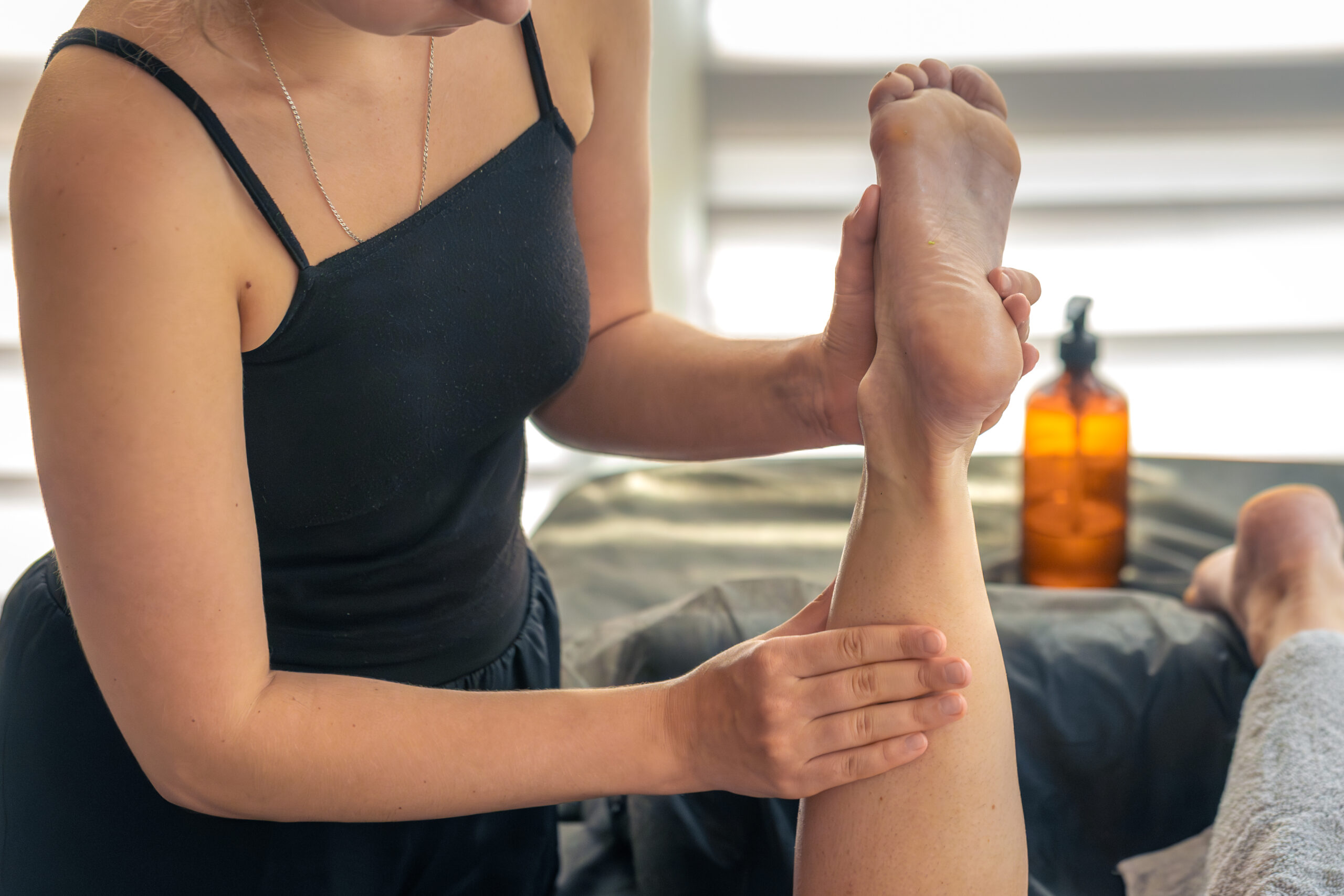
Abhyangam is a traditional Ayurvedic oil massage that is popular for not only helping with physical ailments but also for mental stress and anxiety. Oils are chosen based on the individual’s requirements or pains, which are then used for a rhythmic massage. It’s followed by Swedana or herbal steam therapy.
It helps improves blood flow and provides from joint stiffness and muscle pain. It’s an excellent remedy for chronic pains too.
From daily exercise to a consistent healthy diet, small everyday habits are integral to ensure a healthy and sustained recovery from joint and muscle aches.
As trusted partners in pain management, we at Ayushman Ayurveda ensure the best possible treatment course for joint and muscle pain. From Panchakarma to Abhyangam, we offer layered and intense treatments to find a permanent solution for your aches.
Ayurveda has a trusted 5000-year old documented history on joint and muscle pain. So, the pain you’re living with now does not have to be permanent. Ayurveda aims at alleviating aches on a long-term schedule and designs every part of the personalised treatment, from the methods to diet recommendations, to ensure this principle.
FAQ-
1.What is the Ayurvedic treatment for joint and muscle pain?
Ayurvedic treatment for joint and muscle pain may include therapies such as Abhyanga (oil massage), Swedana (herbal steam therapy), Pizhichil, Kati Basti, Janu Basti, and herbal remedies, depending on the individual’s condition.
2. Can Ayurveda help with muscle pain and stiffness?
Ayurvedic therapies such as oil massage, herbal steam therapy, and other personalized treatments may help relieve muscle stiffness, improve relaxation, and support mobility.
3. Is Ayurvedic treatment safe for joint pain?
Ayurvedic therapies can be appropriate for many people when recommended and performed by a qualified Ayurvedic practitioner. A proper assessment is important before starting treatment, especially for persistent or severe pain.
4. How long does Ayurvedic treatment take to show results?
The response varies depending on the cause, duration, and severity of pain and the individual’s overall health. Some people may experience relaxation after therapy, while longer-term concerns may require a personalized treatment plan.


